
How to Say See You Later in Spanish is a helpful phrase for everyday conversations, whether you’re talking with friends, classmates, or colleagues. Spanish has different ways to say goodbye depending on the tone—casual, friendly, or polite.
Learning these expressions will make your Spanish sound natural and help you connect better with native speakers. The most common phrase is hasta luego, which works in most situations.
Other variations add warmth, making your goodbyes more personal and engaging.
See You Later in Spanish
15 Ways to Say See You Later in Spanish
| No. | Spanish Phrase | Pronunciation | Meaning / Usage |
|---|---|---|---|
| 1 | Hasta luego | AH-stah LWEH-goh | See you later (common, standard) |
| 2 | Nos vemos | nohs VEH-mohs | See you / We’ll see each other |
| 3 | Hasta pronto | AH-stah PROHN-toh | See you soon |
| 4 | Hasta la próxima | AH-stah lah PROHK-see-mah | Until next time |
| 5 | Hasta mañana | AH-stah mah-NYAH-nah | See you tomorrow |
| 6 | Hasta ahora | AH-stah ah-OH-rah | See you in a bit |
| 7 | Hasta ya | AH-stah YAH | See you soon (informal/regional) |
| 8 | Hasta el lunes | AH-stah el LOO-nes | See you Monday (or specific day) |
| 9 | Hablamos luego | ah-BLAH-mohs LWEH-goh | We’ll talk later |
| 10 | Te veo luego | teh VEH-oh LWEH-goh | I’ll see you later |
| 11 | Hasta la vista | AH-stah lah VEES-tah | Until the view / See you again (famous phrase) |
| 12 | Cuídate, nos vemos | KWEE-dah-teh, nohs VEH-mohs | Take care, see you |
| 13 | Chao, hasta luego | CHOW, AH-stah LWEH-goh | Bye, see you later (mix of casual & polite) |
| 14 | Que te vaya bien, nos vemos | keh teh VAI-yah BYEN, nohs VEH-mohs | Hope it goes well, see you |
| 15 | Hasta ratito | AH-stah rah-TEE-toh | See you in a little while (very informal) |
Here are 15 ways to say See you later in Spanish, with real conversations and insights into where these phrases come from.
1. Hasta luego – See you later

Origin:
This is the most common and neutral way to say “see you later.” It literally means “until later.”
Example:
👤 Usuario A: Bueno, me voy.
👤 Usuario B: ¡Hasta luego!
Use: Everyday, all-purpose; works in any Spanish-speaking country.
2. Nos vemos – See you / We’ll see each other
Origin:
A casual and friendly way to say “see you,” literally meaning “we see each other.”
Example:
👤 Usuario A: Me tengo que ir.
👤 Usuario B: Ok, nos vemos mañana.
Use: Very common in Latin America and Spain among friends.
3. Hasta pronto – See you soon

Origin:
A polite and slightly more formal version, often implying the next meeting won’t be too far away.
Example:
👤 Usuario A: Gracias por todo.
👤 Usuario B: ¡Hasta pronto!
Use: Semi-formal; works in both casual and polite settings.
4. Hasta la vista – Until we meet again
Origin:
Made famous globally by Terminator 2, this phrase has existed for centuries and means “until the sight (of you) again.”
Example:
👤 Usuario A: Me voy a España por un tiempo.
👤 Usuario B: ¡Hasta la vista!
Use: Slightly dramatic or poetic, often playful now.
5. Chao – Bye / See ya
Origin:
Borrowed from the Italian “ciao,” this version is used in many Latin American countries like Chile, Argentina, and Colombia.
Example:
👤 Usuario A: ¡Nos hablamos luego!
👤 Usuario B: ¡Chao!
Use: Informal and widely used in Latin America.
6. Adiós – Goodbye
Origin:
From “a Dios” (to God), originally used as a more final goodbye. Today, it’s used casually as well.
Example:
👤 Usuario A: Bueno, ya me voy.
👤 Usuario B: Adiós, cuídate.
Use: Universal and flexible; from casual to serious farewells.
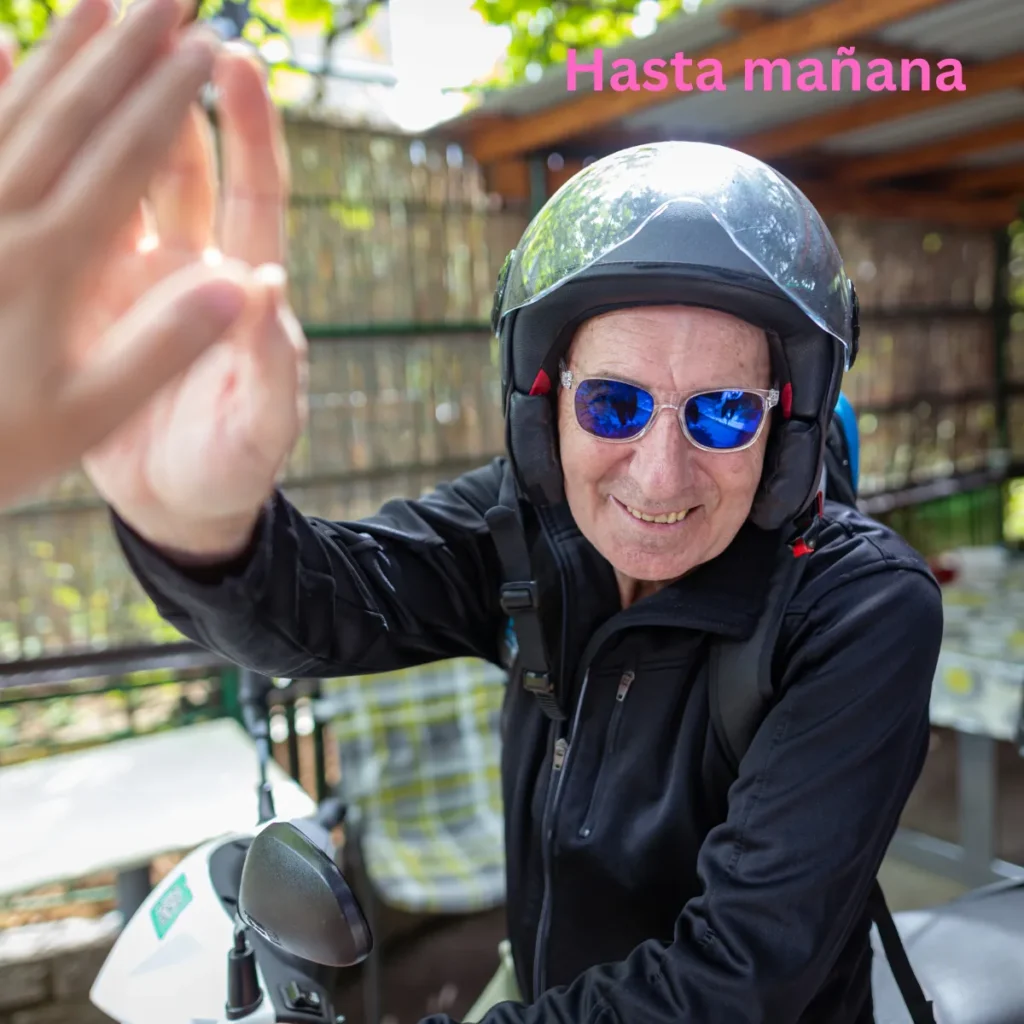
7. Hasta mañana – See you tomorrow
Origin:
A time-specific farewell, great when you know you’ll see the person the next day.
Example:
👤 Usuario A: Me voy a dormir.
👤 Usuario B: Ok, hasta mañana.
Use: Friendly and time-specific; school, work, etc.
8. Nos vemos luego – We’ll see each other later
Origin:
An extended version of nos vemos, used for emphasis or clarity.
Example:
👤 Usuario A: Tengo clase ahora.
👤 Usuario B: Está bien, nos vemos luego.
Use: Casual, everyday; used in many regions.
9. Hasta la próxima – Until next time
Origin:
Used when you don’t know exactly when you’ll meet again, but want to keep it open.
Example:
👤 Usuario A: Fue un gusto conocerte.
👤 Usuario B: Igualmente. ¡Hasta la próxima!
Use: Friendly, slightly formal; used in both spoken and written contexts.
10. Cuídate – Take care (implies see you later)

Origin:
Literally means “take care of yourself,” often used as a kind goodbye.
Example:
👤 Usuario A: Me voy, tengo que manejar.
👤 Usuario B: ¡Cuídate!
Use: Warm, caring tone; often used with friends and family.
11. Te veo luego – I’ll see you later
Origin:
Direct and personal, often used when speaking one-on-one.
Example:
👤 Usuario A: Me voy al gimnasio.
👤 Usuario B: Dale, te veo luego.
Use: Informal, personal.
12. Nos hablamos luego – We’ll talk later
Origin:
Often used in texting or phone calls, this implies continued communication.
Example:
👤 Usuario A: Ya me voy, te llamo más tarde.
👤 Usuario B: Perfecto, nos hablamos luego.
Use: Common in digital communication or phone chats.
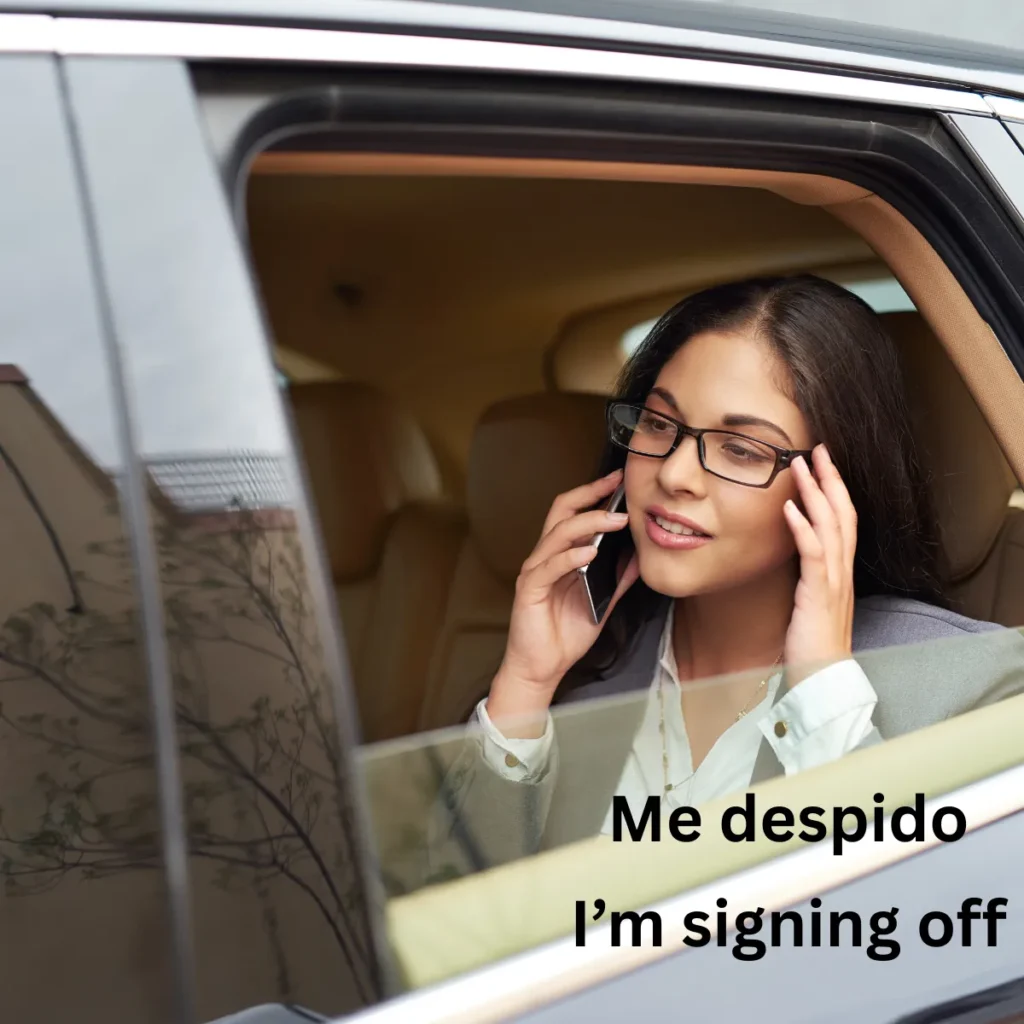
13. Me despido – I’m signing off / I say goodbye
Origin:
From “despedirse” (to say goodbye), often used in emails or formal speech.
Example:
👤 Usuario A: Bueno, ya me despido.
👤 Usuario B: ¡Que estés bien!
Use: Slightly formal, often used to signal the end of interaction.
14. Que tengas buen día / buena tarde / buena noche – Have a good day / afternoon / night
Origin:
While not literally “see you later,” it’s a polite way to end an interaction.
Example:
👤 Usuario A: Gracias por tu ayuda.
👤 Usuario B: ¡De nada! Que tengas buen día.
Use: Polite and kind; often used in customer service and polite contexts.
15. Ahí nos vemos – See you around / Catch you later
Origin:
A super informal, almost slang-like farewell in countries like Mexico or Central America.
Example:
👤 Usuario A: Me voy al cine.
👤 Usuario B: ¡Va! Ahí nos vemos.
Use: Informal, relaxed; common among young people.
Conclusion:
knowing how to say see you later in Spanish gives you flexibility in conversations and helps you sound more natural. From the common hasta luego to casual phrases like nos vemos, each expression adds variety to your goodbyes. By practicing these, you’ll not only improve your Spanish but also build smoother, friendlier interactions with native speakers.


