“You” in Japanese is expressed in different ways depending on politeness, relationship, and situation. Common words include “anata,” “kimi,” and “omae,” but Japanese often avoid saying “you” directly and use names or titles instead.
Many users search for how to say you in Japanese to understand anime, dramas, or real-life conversations without sounding rude. The user intent is clear: they want a simple, clear explanation of which word to use and when, because using the wrong term can sound impolite or disrespectful.
In this guide, you will learn the most common ways to say “you” in Japanese, their meanings, and the situations where they are appropriate. These easy explanations help beginners communicate naturally while respecting Japanese culture and language rules.
Say You in Japanese
15 Ways to Say You in Japanese
| # | Japanese Word (Romaji + Kanji/Kana) | Politeness Level | Example Usage in English Translation |
|---|---|---|---|
| 1 | Anata (あなた) | Polite/Neutral | “Anata wa genki desu ka?” → “Are you well?” |
| 2 | Kimi (君) | Casual/Friendly | “Kimi wa tomodachi da.” → “You are my friend.” |
| 3 | Omae (お前) | Casual/Blunt | “Omae wa baka janai.” → “You’re not foolish.” |
| 4 | Anta (あんた) | Casual/Colloquial | “Anta mo iku?” → “Are you going too?” |
| 5 | Kisama (貴様) | Old/Hostile/Archaic | “Kisama, yūsha da na.” → “You are a brave one.” |
| 6 | Temee (てめえ) | Rude/Hostile | “Temee, nani shiteru?” → “What the hell are you doing?” |
| 7 | Omaesan (お前さん) | Friendly/Old-fashioned | “Omaesan mo kuru?” → “Are you coming too?” |
| 8 | Anata-sama (あなた様) | Very Polite/Respectful | “Anata-sama no okage desu.” → “It’s thanks to you.” |
| 9 | Otaku (お宅) | Polite/Formal | “Otaku wa doko kara irasshaimashita ka?” → “Where are you from?” |
| 10 | Sochira (そちら) | Polite/Formal | “Sochira wa ikaga desu ka?” → “How about you?” |
| 11 | Sonata (其方 / そなた) | Old/Polite (historical/drama) | “Sonata wa dare desu ka?” → “Who are you?” |
| 12 | Onushi (お主) | Old-fashioned/Casual | “Onushi wa omoshiroi na.” → “You are interesting.” |
| 13 | Kiden (貴殿) | Formal/Writing | “Kiden no goiken o ukagaimasu.” → “I await your opinion.” |
| 14 | Anata-tachi (あなたたち) | Plural/Polite | “Anata-tachi wa sensei desu ka?” → “Are you teachers?” |
| 15 | Omaera (お前ら) | Casual/Plural | “Omaera wa minna ii yatsu da.” → “You all are good guys.” |
Let’s explore 15 different ways to say you in Japanese—with real conversation examples and insights into when, where, and with whom to use them.
1. あなた (anata)

Origin:
Commonly taught in textbooks, “anata” is polite but distant. Native speakers rarely use it in conversation, especially if they know the other person’s name.
Example:
👤 A: あなたはどこに住んでいますか?
(Anata wa doko ni sundeimasu ka?)
👤 B: 東京に住んでいます。
(Tōkyō ni sundeimasu.)
Use: Polite but impersonal; safe for strangers or surveys.
2. 君 (kimi)
Origin:
Used historically by superiors (especially men) to refer to inferiors, “kimi” feels gentle but still informal.
Example:
👤 A: 君は今日も頑張ったね。
(Kimi wa kyō mo ganbatta ne.)
👤 B: ありがとう、嬉しいです!
(Arigatō, ureshii desu!)
Use: Casual; often used by men toward juniors or in romantic contexts.
3. お前 (omae)
Origin:
Once a respectful term (“honorable front”), now informal or even rude depending on tone and context.
Example:
👤 A: お前、また遅刻か?
(Omae, mata chikoku ka?)
👤 B: ごめん、寝坊した。
(Gomen, nebō shita.)
Use: Very casual or rough; common among close male friends or anime characters.
4. あんた (anta)
Origin:
A contraction of “anata.” Often sounds blunt or confrontational, depending on region and tone.
Example:
👤 A: あんた、何してるの?
(Anta, nani shiteru no?)
👤 B: え?ちょっと休んでるだけ。
(Eh? Chotto yasunderu dake.)
Use: Informal or scolding; used mostly by older women or in arguments.
5. てめえ (temee)

Origin:
Extremely rough slang, often used in anger or among delinquents.
Example:
👤 A: てめえ、ふざけんなよ!
(Temee, fuzakennayo!)
👤 B: は?なんだと!?
(Ha? Nanda to!?)
Use: Very rude; reserved for fights or extreme expressions of anger.
6. 貴様 (kisama)
Origin:
Once an ultra-respectful samurai-era term, now one of the rudest ways to say “you.”
Example:
👤 A: 貴様、俺を侮辱したな?
(Kisama, ore o bujoku shita na?)
👤 B: ち、違うよ!
(Chi, chigau yo!)
Use: Hostile or dramatic; often heard in anime or war settings.
7. お主 (onushi)
Origin:
Archaic, used by samurai or in period dramas. Adds a historical or fantasy flair.
Example:
👤 A: お主、なかなかやるな。
(Onushi, nakanaka yaru na.)
👤 B: お褒めに預かり光栄です。
(Ohome ni azukari kōei desu.)
Use: Historical, poetic, or used in fantasy and samurai-themed settings.
8. そちら / そっち (sochira / socchi)
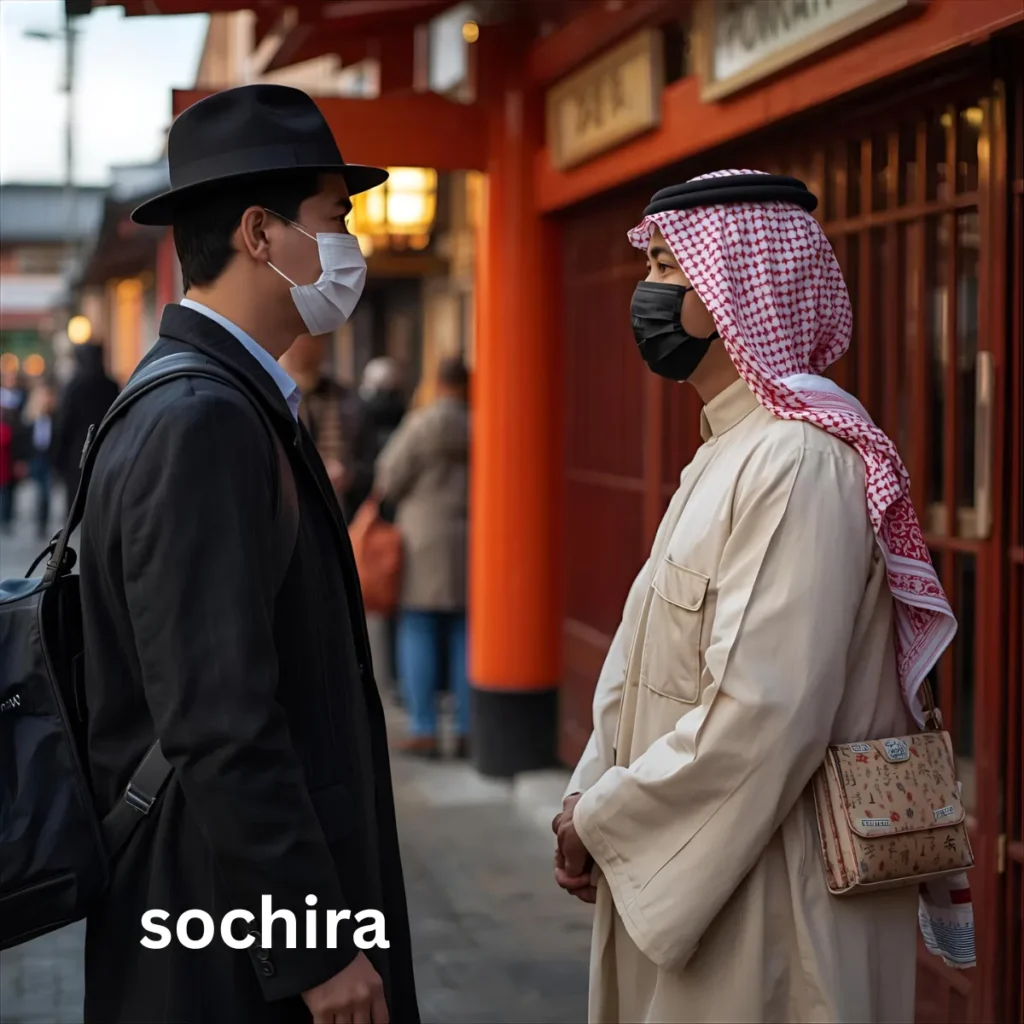
Origin:
Literally “that direction,” but used as indirect, polite ways to refer to “you.”
Example:
👤 A: そちらは何名様ですか?
(Sochira wa nan-mei sama desu ka?)
👤 B: 二人です。
(Futari desu.)
Use: Polite; often used in customer service.
9. あなた様 (anata-sama)
Origin:
A very respectful, honorific version of “anata.”
Example:
👤 A: あなた様のお名前を教えていただけますか?
(Anata-sama no o-namae o oshiete itadakemasu ka?)
👤 B: はい、田中と申します。
(Hai, Tanaka to mōshimasu.)
Use: Extremely polite; used in business or service industries.
10. あんたら / お前ら (antara / omaera)
Origin:
Plural, informal/rude versions of “anta” and “omae.”
Example:
👤 A: お前ら、早く来いよ!
(Omaera, hayaku koi yo!)
👤 B: はいはい、分かったよ。
(Hai hai, wakatta yo.)
Use: Casual to rude; used in groups.
11. 名前 or title + さん
Origin:
In Japanese, people often avoid using pronouns and instead use names with honorifics.
Example:
👤 A: 佐藤さんは、いかがですか?
(Satō-san wa, ikaga desu ka?)
👤 B: はい、元気です。
(Hai, genki desu.)
Use: Most natural and polite; preferred over pronouns in real conversations.
12. 自分 (jibun)
Origin:
Means “oneself,” but used in some regions (like Kansai) or military settings to mean “you.”
Example:
👤 A: 自分、行けるか?
(Jibun, ikeru ka?)
👤 B: はい、任せてください。
(Hai, makasete kudasai.)
Use: Regional or formal; also heard in sports and military contexts.
13. うぬ (unu)
Origin:
An ancient and now playful or theatrical version of “you.”
Example:
👤 A: うぬの力、見せてもらおうか。
(Unu no chikara, misete moraō ka.)
👤 B: 面白い、勝負だ。
(Omoshiroi, shōbu da.)
Use: Very archaic or used for dramatic flair.
14. おぬし (onushi)
Origin:
Similar to “onushi,” another samurai-era term, still used in historical fiction or anime.
Example:
👤 A: おぬし、何者だ?
(Onushi, nanimono da?)
👤 B: 通りすがりの剣士だ。
(Tōrisugari no kenshi da.)
Use: Archaic or stylized; samurai or fantasy tone.
15. Referring indirectly or by context (zero pronoun)
Origin:
Most common in Japanese: just leave out “you” altogether and rely on context.
Example:
👤 A: 映画、行く?
(Eiga, iku?) – “Want to go to a movie?”
👤 B: 行こう!
(Ikō!) – “Let’s go!”
Use: Natural, efficient, and preferred in most real-life Japanese conversation.
Conclusion:
Mastering how to say you in Japanese is essential for respectful and natural communication. Since Japanese has many forms depending on context—ranging from casual to highly polite—it’s important to choose carefully. By understanding these variations, you’ll avoid sounding rude and connect more smoothly with native speakers.