If you want to learn how to say tomorrow in Spanish, the word you need is “mañana.” This word is commonly used in everyday conversation. You can use it when talking about future plans, schedules, or things you will do the next day. “Mañana” is simple to remember and easy to pronounce.
Learning this one word can help you sound more natural when speaking Spanish.
It’s a useful word for travelers, students, and anyone practicing daily Spanish conversation.
Just remember: mañana refers to the next day, not to be confused with morning unless used with context.
Say Tomorrow in Spanish
learn 15 natural and useful ways to say tomorrow in Spanish, each with a real conversation example and cultural or historical context to help you sound fluent—not just correct.
15 natural and useful ways to say tomorrow in Spanish
🟢 = Daily / Common Use | 🔵 = Polite / Formal Use | 🟣 = Literary / Poetic Use
| # | Spanish Phrase | English Meaning | Tone |
|---|---|---|---|
| 1 | Mañana | Tomorrow | 🟢 Daily |
| 2 | Hasta mañana | See you tomorrow | 🟢 Daily |
| 3 | Para mañana | For tomorrow | 🔵 Polite |
| 4 | Mañana por la mañana | Tomorrow morning | 🟢 Daily |
| 5 | Mañana por la tarde | Tomorrow afternoon | 🟢 Daily |
| 6 | Mañana por la noche | Tomorrow night | 🟢 Daily |
| 7 | El día de mañana | The day of tomorrow / Future | 🟣 Poetic |
| 8 | Mañana temprano | Tomorrow early | 🟢 Daily |
| 9 | Mañana mismo | Tomorrow itself | 🔵 Polite |
| 10 | Desde mañana | Starting tomorrow | 🟢 Daily |
| 11 | Para el día de mañana | For the day of tomorrow (future) | 🔵 Polite |
| 12 | Ya mañana | By tomorrow / Already tomorrow | 🟢 Daily |
| 13 | Mañana siguiente | The following morning | 🔵 Polite |
| 14 | Mañana venidera | The coming tomorrow | 🟣 Poetic |
| 15 | Hasta pasado mañana | Until the day after tomorrow | 🟢 Daily |
1. Mañana
Literal translation: Tomorrow
Example:
👤 Usuario A: ¿Quieres ir al cine mañana?
👤 Usuario B: ¡Claro! A las 7 está bien.
Origin/Context:
“Mañana” comes from Latin maneana meaning “early in the day.” It’s the most direct and universal way to say “tomorrow” in all Spanish-speaking countries.
2. El día de mañana

Literal translation: The day of tomorrow
Example:
👤 Usuario A: El día de mañana voy a presentar mi proyecto.
👤 Usuario B: ¡Mucha suerte! Sé que lo harás bien.
Context:
Used for emphasis or formality. It can sound more poetic or official, often used in news or speeches.
3. Mañana por la mañana
Literal translation: Tomorrow morning
Example:
👤 Usuario A: ¿Qué harás mañana por la mañana?
👤 Usuario B: Tengo una entrevista temprano.
Context:
Adds specificity. Common when planning early activities or distinguishing times of day.
4. Mañana a primera hora
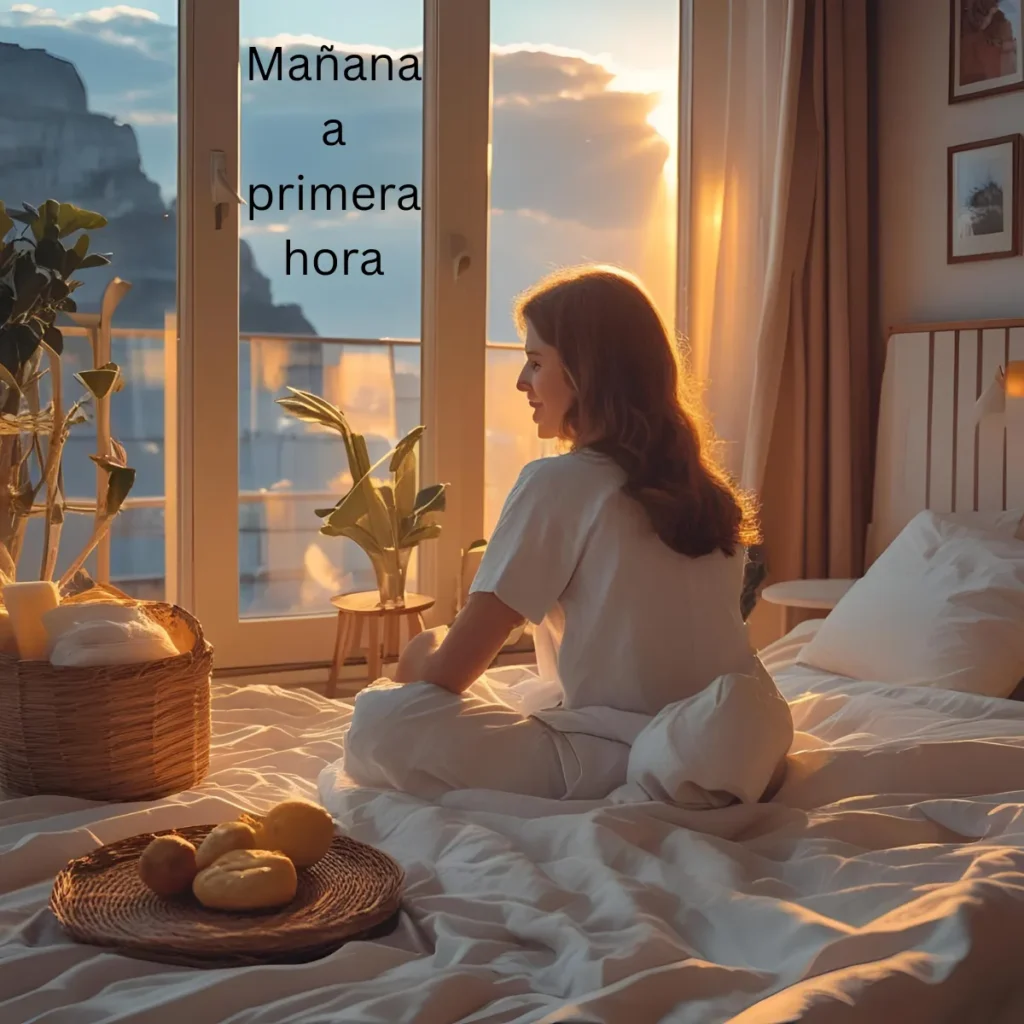
Literal translation: Tomorrow at first hour
Example:
👤 Usuario A: ¿Cuándo entregamos el informe?
👤 Usuario B: Mañana a primera hora.
Context:
Used in work, school, or formal settings to mean first thing in the morning.
5. Hasta mañana
Literal translation: Until tomorrow
Example:
👤 Usuario A: Bueno, ya me voy.
👤 Usuario B: ¡Hasta mañana!
Context:
A friendly way to say goodbye when you’ll see someone tomorrow. Very common in everyday conversations.
6. Nos vemos mañana
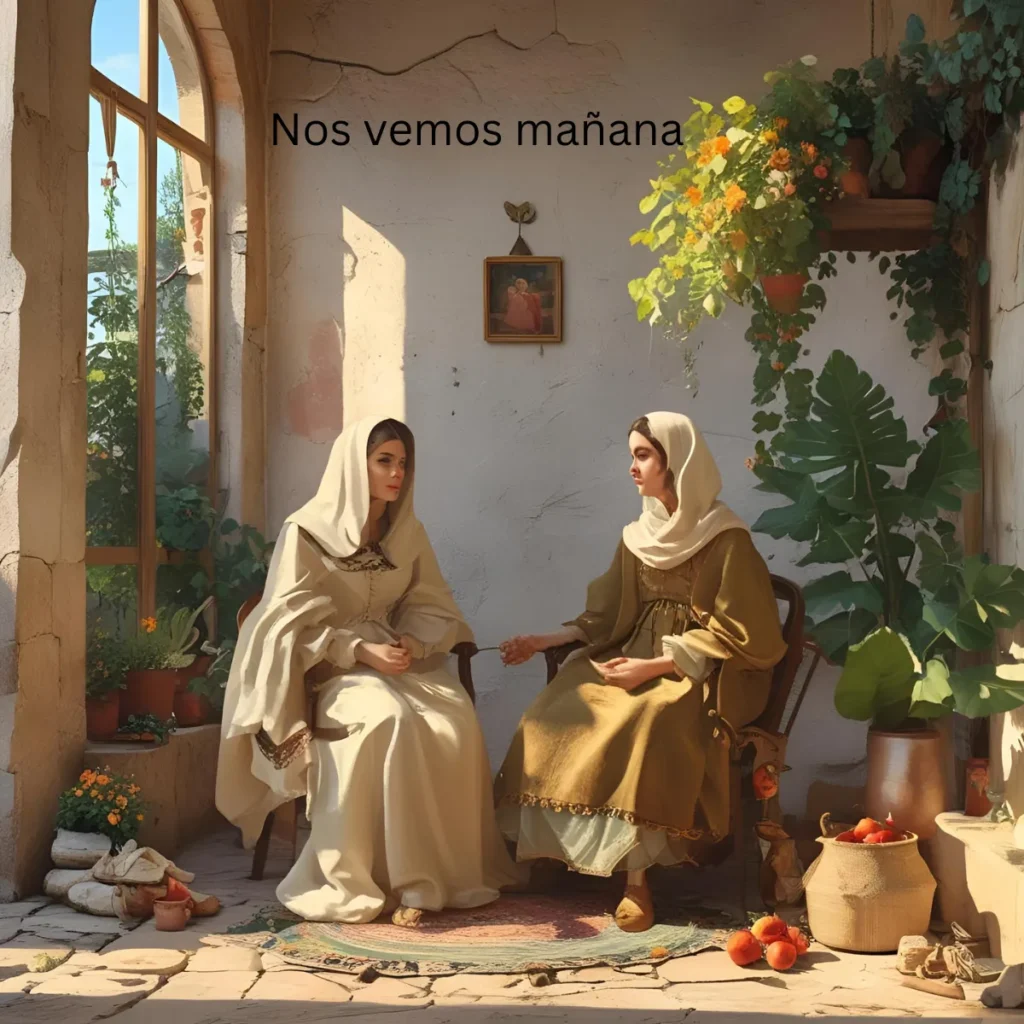
Literal translation: We’ll see each other tomorrow
Example:
👤 Usuario A: Fue un gusto verte hoy.
👤 Usuario B: ¡Igualmente! Nos vemos mañana.
Context:
Warm and casual, often used among friends, classmates, or coworkers.
7. Para mañana
Literal translation: For tomorrow
Example:
👤 Usuario A: ¿Tienes la tarea para mañana?
👤 Usuario B: Sí, ya la terminé.
Context:
Used to talk about deadlines or due dates. Common in schools and offices.
8. Mañana por la tarde
Literal translation: Tomorrow afternoon
Example:
👤 Usuario A: ¿Tienes tiempo mañana por la tarde?
👤 Usuario B: Sí, después de las 4.
Context:
Specifies time—useful when scheduling something after lunch but before evening.
9. Mañana por la noche
Literal translation: Tomorrow night
Example:
👤 Usuario A: ¿Vamos a cenar mañana por la noche?
👤 Usuario B: ¡Perfecto! Reservo la mesa.
Context:
Useful when talking about evening plans or night events.
10. Desde mañana
Literal translation: Starting tomorrow
Example:
👤 Usuario A: Empiezo la dieta desde mañana.
👤 Usuario B: ¡Ánimo! Tú puedes.
Context:
Used to indicate the beginning of a change, habit, or event.
11. A partir de mañana
Literal translation: From tomorrow onward
Example:
👤 Usuario A: A partir de mañana, todos deben usar uniforme.
👤 Usuario B: Entendido, lo llevaré.
Context:
Often used in announcements or rules. A more formal way to say “starting tomorrow.”
12. Mañana mismo
Literal translation: Tomorrow itself / Exactly tomorrow
Example:
👤 Usuario A: ¿Cuándo viajas?
👤 Usuario B: Mañana mismo.
Context:
Adds urgency or confirmation. It’s used to stress that something is happening without delay.
13. Pasado mañana
Literal translation: The day after tomorrow
Example:
👤 Usuario A: ¿Vienes mañana?
👤 Usuario B: No, pasado mañana.
Context:
Not exactly “tomorrow,” but important to know when planning near-future events.
14. Mañana en la noche (Latin America)
Literal translation: Tomorrow in the night
Example:
👤 Usuario A: ¿Nos vemos mañana en la noche?
👤 Usuario B: ¡Sí! Llevo las películas.
Context:
“En la noche” is preferred in many Latin American countries instead of “por la noche.”
15. Mañana temprano
Literal translation: Early tomorrow
Example:
👤 Usuario A: ¿Cuándo sales de viaje?
👤 Usuario B: Mañana temprano.
Context:
Used casually to indicate early morning activities or departure times.
FAQs
1. What is the Spanish word for “tomorrow”?
The Spanish word for “tomorrow” is mañana.
2. How do you pronounce “mañana”?
It is pronounced: mah-NYAH-nah.
3. Does “mañana” also mean “morning”?
Yes. Mañana can mean tomorrow or morning, depending on the sentence context.
4. How do I say “See you tomorrow” in Spanish?
You say: Nos vemos mañana.
5. How do I say “Tomorrow morning” in Spanish?
Say: Mañana por la mañana.
6. How do I say “Tomorrow night” in Spanish?
Say: Mañana por la noche.
7. What’s the opposite of “mañana”?
The opposite for time reference is ayer, meaning yesterday.
8. Is “mañana” used in formal and informal Spanish?
Yes, it works in both casual and polite situations.
9. What does “hasta mañana” mean?
It means “See you tomorrow.”
10. Can “mañana” be used in slang to mean “later / not now”?
Yes, sometimes people use it humorously to mean “I’ll do it later.”
Conclusion:
Now that you know how to say tomorrow in Spanish, using the word mañana, you can talk about future plans with ease and confidence. Whether you’re scheduling a meeting, making travel plans, or just chatting with friends, mañana will help you sound more fluent and natural in your Spanish conversations.