Learning how to say Spanish in Spanish is simple yet very helpful if you want to talk about the language or culture with confidence. The word you’ll use is “español,” which refers to both the Spanish language and people. Mastering how to use español correctly will make your conversations smoother and more natural.
It’s a must-know word for learners who want to sound authentic. Plus, it helps you connect better with native speakers in real-life situations.
Say Spanish in Spanish 15 Phrases
| No. | Spanish Phrase | English Meaning | Usage / Context |
|---|---|---|---|
| 1 | Yo hablo español. | I speak Spanish. | Talking about language ability |
| 2 | ¿Hablas español? | Do you speak Spanish? | Asking someone |
| 3 | Estoy aprendiendo español. | I am learning Spanish. | Language learning |
| 4 | El español es una lengua hermosa. | Spanish is a beautiful language. | Complimenting the language |
| 5 | Mi amigo es español. | My friend is Spanish. | Referring to nationality |
| 6 | Ella es española. | She is Spanish. | Talking about nationality (female) |
| 7 | Él es español. | He is Spanish. | Talking about nationality (male) |
| 8 | La cultura española es fascinante. | Spanish culture is fascinating. | Talking about culture |
| 9 | Me encanta la música española. | I love Spanish music. | Talking about preferences |
| 10 | La comida española es deliciosa. | Spanish food is delicious. | Referring to cuisine |
| 11 | Estoy leyendo un libro en español. | I’m reading a book in Spanish. | Talking about language use |
| 12 | Quiero mejorar mi español. | I want to improve my Spanish. | Learning goals |
| 13 | Los españoles son muy amables. | Spanish people are very kind. | General statement about people |
| 14 | Viajar a España mejora mi español. | Traveling to Spain improves my Spanish. | Talking about practice |
| 15 | El curso de español comienza hoy. | The Spanish course starts today. | Academic setting |
1. Español
Origin:
From Latin Hispaniolus, this is the most direct and common way to say “Spanish.”
Example:
👤 User A: ¿Hablas español?
👤 User B: Sí, lo hablo muy bien.
Use: Most universal and widely understood;
2. El idioma español
Origin:
Used to emphasize the language as a subject of study or conversation.
Example:
👤 User A: Estoy estudiando el idioma español.
👤 User B: ¡Qué bien! Es muy útil.
Use: Formal and academic tone.
3. Castellano
Origin:
Refers to the Castilian dialect from central Spain, which later became the basis of modern Spanish. In many Latin American countries, castellano is often used interchangeably with español.
Example:
👤 User A: En casa hablamos castellano.
👤 User B: ¡Igual que en la mía!
Use: Common in Argentina, Chile, and parts of Spain.
4. Lengua española
Origin:
A more poetic or literary term.
Example:
👤 User A: Me encanta la riqueza de la lengua española.
👤 User B: Tiene muchísimas palabras hermosas.
Use: Academic, poetic, or reflective conversations.
5. El español latinoamericano
Origin:
Refers specifically to the variant spoken in Latin America, with its own accent and vocabulary.
Example:
👤 User A: Enseño el español latinoamericano a estudiantes extranjeros.
👤 User B: ¿De qué país es tu acento?
Use: Used to distinguish from European.
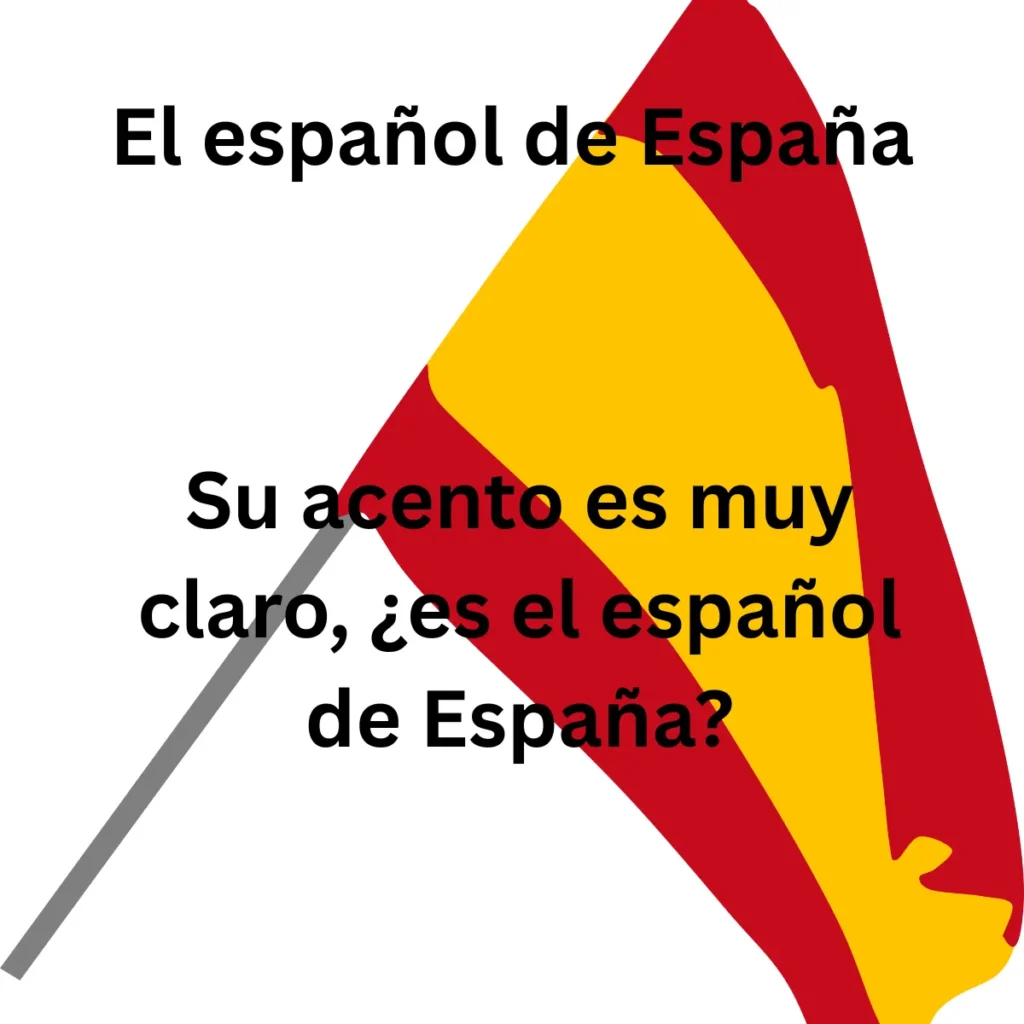
6. El español de España
Origin:
Specifies the Peninsular dialect, which includes regional variations like Andalusian or Madrileño.
Example:
👤 User A: Su acento es muy claro, ¿es el español de España?
👤 User B: Sí, soy de Madrid.
Use: Often used in contrast to Latin American dialects.
7. Mi español
Origin:
This personalized phrase highlights your individual level, style, or experience with the language.
Example:
👤 User A: Mi español no es perfecto, pero trato.
👤 User B: ¡Vas muy bien!
Use: Informal and self-referential.
8. Español nativo
Origin:
Used when referring to someone who learned Spanish as their first language.
Example:
👤 User A: Soy hablante de español nativo.
👤 User B: ¡Eso se nota!
Use: Common in resumes, bios, or academic settings.
9. Español como segunda lengua
Origin:
Used in teaching and learning environments.
Example:
👤 User A: Estudio español como segunda lengua.
👤 User B: ¿Te gusta aprenderlo?
Use: Educational and instructional contexts.
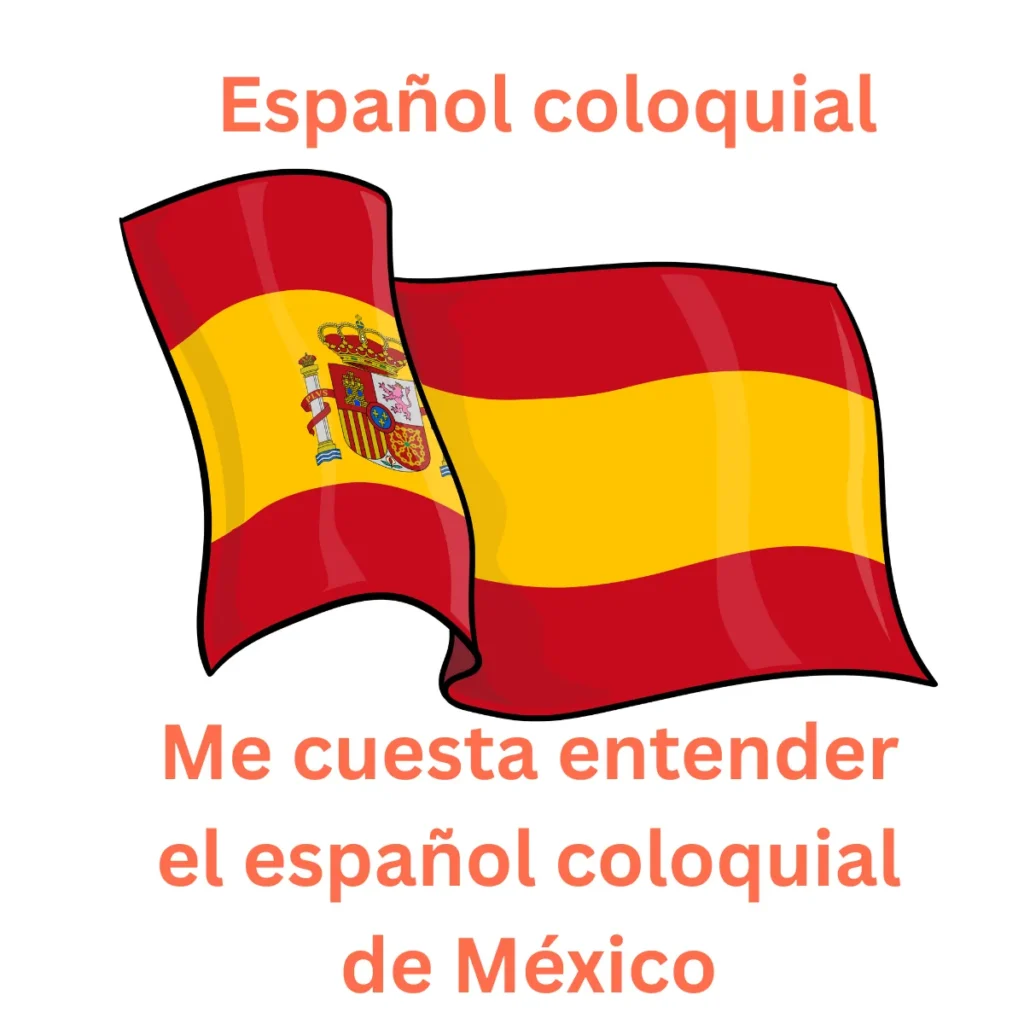
10. Español coloquial
Origin:
Refers to casual, everyday spoken, often including slang and local phrases.
Example:
👤 User A: Me cuesta entender el español coloquial de México.
👤 User B: ¡Sí, usan muchas expresiones únicas!
Use: Linguistic or practical discussions.
11. Español formal
Origin:
Used when discussing polite or professional usage, like in business or academic settings.
Example:
👤 User A: En la entrevista usé español formal.
👤 User B: Muy bien, ¡es importante!
Use: Business, legal, or academic environments.
12. Español básico
Origin:
Used to describe beginner-level communication.
Example:
👤 User A: Solo hablo español básico.
👤 User B: ¡Perfecto para empezar!
Use: Great for learners and casual introductions.
13. Español avanzado
Origin:
Refers to high-level proficiency in the language.
Example:
👤 User A: Estoy en una clase de español avanzado.
👤 User B: ¡Qué bueno! Ya casi eres bilingüe.
Use: Academic or skill-level classification.
14. Español internacional
Origin:
Refers to a “neutral” version of Spanish, avoiding regional slang—often used in language courses or international media.
Example:
👤 User A: Enseñamos español internacional a estudiantes globales.
👤 User B: Así es más fácil para todos.
Use: Education, diplomacy, media.
15. Español neutro
Origin:
Similar to español internacional, used in dubbing and television to avoid regional dialects.
Example:
👤 User A: ¿La película está en español neutro?
👤 User B: Sí, para que se entienda en todos los países.
Use: Media, voiceovers, subtitles.
Conclusion:
Knowing how to say Spanish in Spanish with the word español is essential for any learner. Whether you’re talking about the language, people, or culture, this word will instantly make you sound more authentic. Using it in everyday phrases also helps you feel more confident while speaking and builds stronger connections with native speakers. 🌎