“Good” in French is most commonly said as “Bon” (masculine) or “Bonne” (feminine). These words are used to describe something positive, pleasant, or of good quality. For example, bon travail means “good job,” while bonne idée means “good idea.”
People usually search how to say good in French when learning basic French vocabulary, traveling, or forming simple sentences. The main intent is to learn the correct word, understand gender usage, and know how to use it naturally in everyday situations.
In daily French, bon/bonne is very common and easy to use. You’ll hear it in greetings, food descriptions, compliments, and casual speech. Once you understand when to use bon or bonne, speaking French becomes simpler and more confident for beginners.
Say Good in French
Let’s explore 15 natural and authentic French ways to say “good,” along with their meanings, origins, examples, and usage.
1. Bon – “Good”

Origin:
From Latin bonus, meaning “good” or “kind.”
Example:
👤 A: Ce gâteau est bon !
👤 B: Oui, j’adore le chocolat.
Use:
The most basic and universal way to say “good.” Used for things like food, days, or general approval.
2. Bien – “Well / Good”
Origin:
Also from Latin bene, meaning “well.”
Example:
👤 A: Tu vas bien ?
👤 B: Oui, je vais très bien.
Use:
Used to describe actions, health, or emotional states—often means “well” but also “good.”
3. C’est bien – “That’s good”
Origin:
Common modern French phrase.
Example:
👤 A: J’ai fini mes devoirs.
👤 B: C’est bien !
Use:
Encouraging or approving; used in daily conversation.
4. Bon travail – “Good job”

Origin:
Combination of bon (good) + travail (work).
Example:
👤 A: J’ai réussi mon examen.
👤 B: Bon travail !
Use:
Used to congratulate or praise someone for their effort.
5. Bravo – “Well done!”
Origin:
Borrowed from Italian bravo, meaning “excellent.”
Example:
👤 A: J’ai gagné la compétition !
👤 B: Bravo ! Tu le mérites.
Use:
Used to show enthusiasm and appreciation.
6. Super – “Great / Awesome”
Origin:
From Latin super, meaning “above.”
Example:
👤 A: On va à la plage demain ?
👤 B: Super !
Use:
Modern, casual, and positive; used by all age groups.
7. Génial – “Brilliant / Great”

Origin:
From génie (genius).
Example:
👤 A: Ce film était génial !
👤 B: Oui, j’ai adoré.
Use:
Used for people, ideas, or experiences that are exciting or impressive.
8. Formidable – “Wonderful / Amazing”
Origin:
From Latin formidabilis meaning “fearsome,” but now means “fantastic.”
Example:
👤 A: Quelle belle vue !
👤 B: Oui, c’est formidable !
Use:
Expresses strong admiration or delight.
9. Excellent – “Excellent”
Origin:
Same as in English; from Latin excellere (to rise above).
Example:
👤 A: Ton français est excellent !
👤 B: Merci beaucoup !
Use:
Formal or high praise; used for performance or quality.
10. Chouette – “Cool / Nice”
Origin:
Originally meant “owl,” later slang for “nice.”
Example:
👤 A: On sort ce soir ?
👤 B: Chouette idée !
Use:
Friendly and informal; common in casual French.
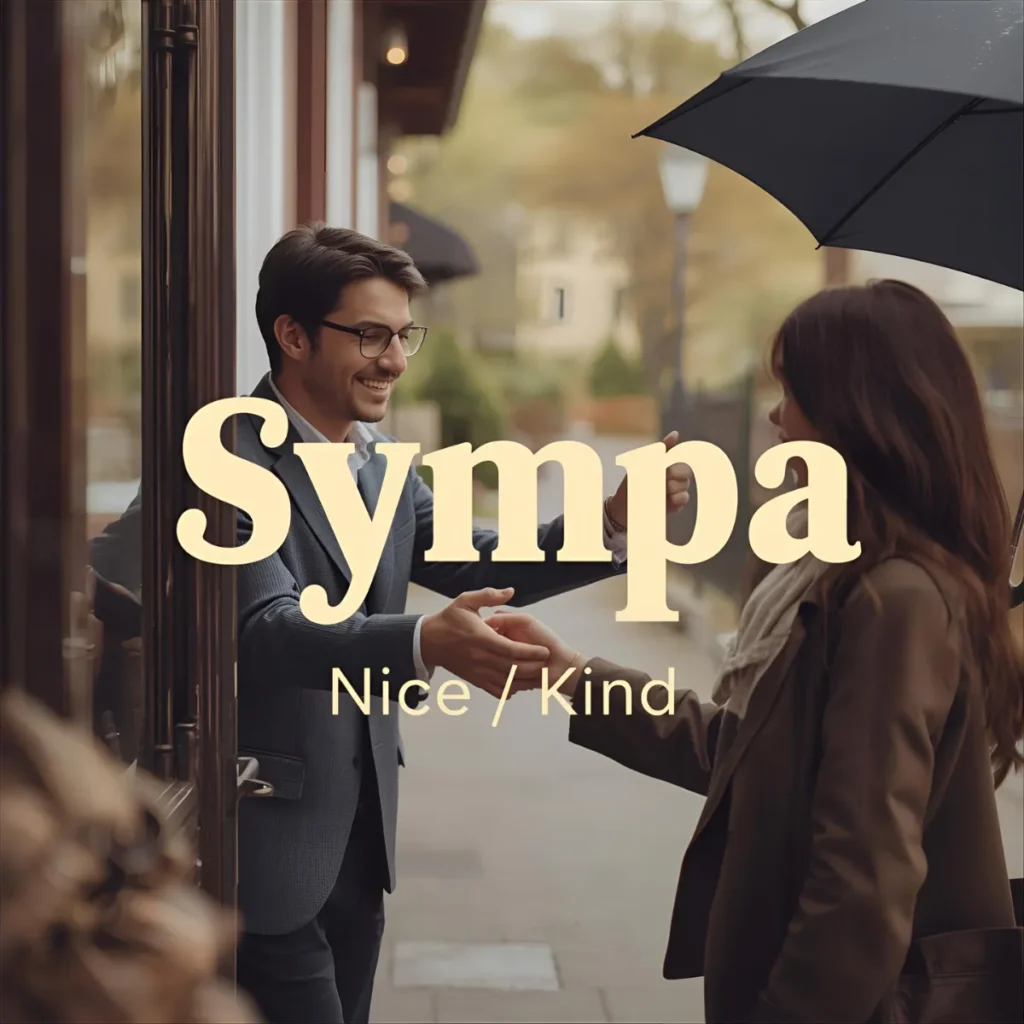
11. Sympa – “Nice / Kind”
Origin:
Short for sympathique.
Example:
👤 A: Le prof est sympa.
👤 B: Oui, il explique bien.
Use:
Used for people, gestures, or experiences that feel pleasant or kind.
12. Parfait – “Perfect”
Origin:
From Latin perfectus, meaning “complete.”
Example:
👤 A: C’est prêt ?
👤 B: Oui, parfait !
Use:
Used to show satisfaction or agreement.
13. Magnifique – “Magnificent”
Origin:
From Latin magnificus, meaning “great” or “splendid.”
Example:
👤 A: La Tour Eiffel est magnifique !
👤 B: Absolument.
Use:
Expresses beauty, admiration, or excellence.
14. Nickel – “Perfect / Spotless”
Origin:
From the metal nickel, meaning shiny and clean.
Example:
👤 A: J’ai nettoyé la cuisine.
👤 B: Nickel !
Use:
Casual slang; means something is done flawlessly.
15. Impeccable – “Flawless”
Origin:
From Latin impeccabilis (“without sin” or “faultless”).
Example:
👤 A: Le service était impeccable.
👤 B: Oui, très professionnel.
Use:
Formal, often used to describe service, manners, or quality
FAQs:
1. What is the main word for “good” in French?
The most common word is “bon”, which means “good.” It’s used for things, food, and general approval.
2. What’s the difference between “bon” and “bien”?
Bon describes nouns (things), while bien describes actions or how something is done. Example: C’est un bon repas (It’s a good meal) vs. Tu as bien travaillé (You worked well).
3. How do you say “very good” in French?
You can say “très bon” or “très bien”, depending on context. Both mean “very good” or “very well.”
4. How do you praise someone in French?
Use “Bravo !”, “Bon travail !”, or “C’est génial !” — all express admiration and encouragement.
5. What’s a casual way to say “good” in French?
You can say “Super”, “Chouette”, or “Nickel” — they’re relaxed, modern, and widely used.
6. How do you say “good person” in French?
Say “bonne personne.” Example: C’est une bonne personne (She’s a good person).
7. Can “bon” change form?
Yes. It changes with gender and number: bon (m), bonne (f), bons (m pl), bonnes (f pl).
8. How do you say “good morning” in French?
You say “Bonjour”, which literally means “good day.”
9. How do you say “good luck” in French?
Say “Bonne chance !” — a popular phrase for wishing someone success.
10. Why is it useful to learn multiple ways to say “good”?
Because it helps you sound fluent and adapt to different tones — polite, casual, or enthusiastic — just like native French speakers.
Conclusion:
Knowing how to say good in French helps you sound polite, confident, and natural in everyday conversations. The word “bon” and its forms are used often, making it one of the most useful words to learn. Whether you’re complimenting a meal, a person, or an experience, using “bon” correctly shows appreciation and respect for the French language. Keep practicing it, and you’ll sound more fluent and authentic every time you speak.