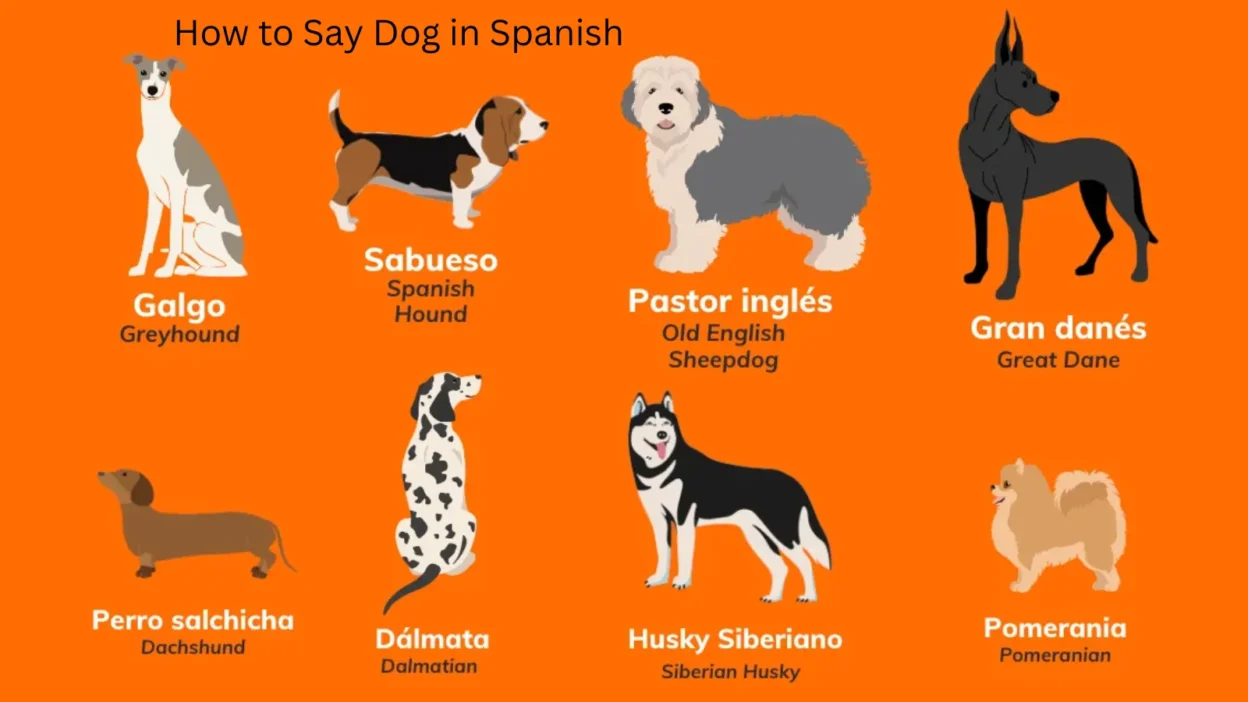
If you love animals or are learning Spanish, knowing how to say Dog in Spanish is very useful. Dogs are popular pets everywhere, and using the right word helps you talk about them naturally with friends, at the park, or even in a store. In this guide, you’ll learn the main word, how to pronounce it, and some tips to use it correctly in everyday conversations.
In this guide, we’ll explore how to say dog in Spanish, its pronunciation, and a few related terms to expand your vocabulary.Learning how to say dog in Spanish will make it easier to talk about your furry friends in everyday conversations.
Say Dog in spanish
Here are 15 ways to say dog in Spanish, complete with example dialogues and insights into where each word is used and what makes it unique!
1. Perro / Perra – Standard Word
Origin:
Perro is the most widely accepted word for “dog” in Spanish. Its origin is uncertain, but it’s been in use since at least the 12th century.
Example:
👤 Usuario A: ¿Tienes un perro?
👤 Usuario B: Sí, se llama Max. Es muy juguetón.
Use: Neutral; standard Spanish word used in all Spanish-speaking countries.
2. Perrito / Perrita – Little Dog / Affectionate Form
Origin:
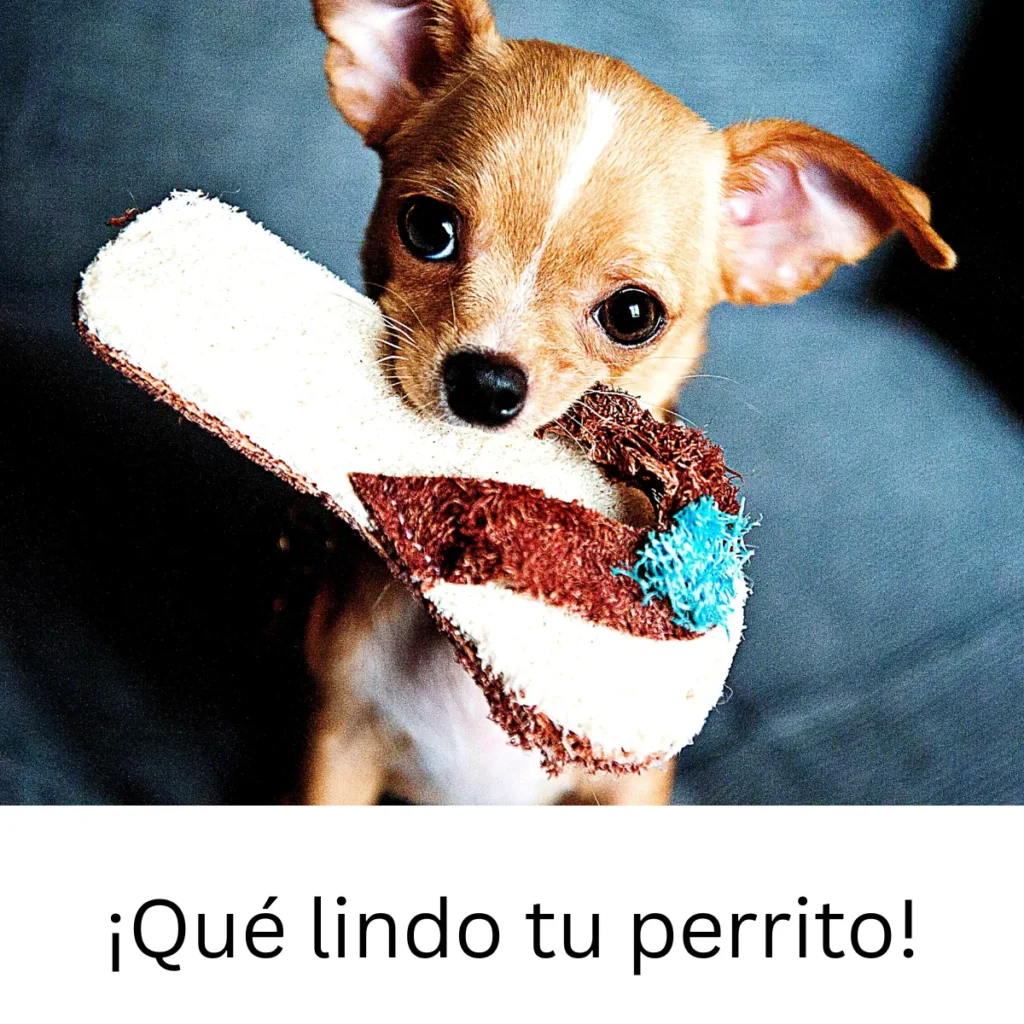
The -ito/-ita suffix is used in Spanish to show affection or small size. Perrito means “little dog” or “cute dog.”
Example:
👤 Usuario A: ¡Qué lindo tu perrito!
👤 Usuario B: ¡Gracias! Se llama Coco.
Use: Very common, used for puppies or beloved pets.
3. Can – Formal/Literary Word
Origin:
From Latin canis, this is a more formal or scientific term.
Example:
👤 Usuario A: Los canes necesitan ejercicio diario.
👤 Usuario B: Sí, sobre todo los de raza grande.
Use: Formal writing, veterinary language, and literature.
4. Firulais – Slang/Nickname
Origin:
Derived from the English phrase “for your lies” (a misheard phrase), Firulais became a common generic dog name in Mexico and parts of Central America.
Example:
👤 Usuario A: ¿Ese es tu perro?
👤 Usuario B: Sí, se llama Firulais. Es un loquillo.
Use: Funny nickname or slang word in Mexico.
5. Chucho – Slang for Dog (especially in Central America)

Origin:
Widely used in El Salvador, Honduras, and Guatemala. It can mean “dog” but also refers to a mutt or street dog.
Example:
👤 Usuario A: Ese chucho me siguió desde el parque.
👤 Usuario B: ¡Qué tierno! Dale comida.
Use: Informal/slang in Central America.
6. Lomito – Internet Slang / Cute Nickname
Origin:
Became popular online in Latin American memes to refer to dogs in a funny or loving way.
Example:
👤 Usuario A: Mira este video del lomito rescatado.
👤 Usuario B: ¡Awww, me hizo llorar!
Use: Online, playful, affectionate.
7. Mascota – Pet (Generic Term)
Origin:
Literally means “pet” in Spanish, from the French word mascotte, meaning “lucky charm.”
Example:
👤 Usuario A: ¿Tienes alguna mascota?
👤 Usuario B: Sí, un perro y un gato.
Use: Generic term for any pet, not specific to dogs.
8. Peludo / Peludito – “Furry One”

Origin:
From pelo (hair), peludo means “hairy” or “furry” and is often used affectionately.
Example:
👤 Usuario A: ¿Dónde está tu peludo?
👤 Usuario B: Está durmiendo en el sofá.
Use: Cute nickname for dogs with fluffy fur.
9. Cachorro / Cachorrito – Puppy
Origin:
Used in many Spanish-speaking regions to refer to baby dogs (or baby animals in general).
Example:
👤 Usuario A: ¡Ese cachorro es adorable!
👤 Usuario B: Solo tiene dos meses.
Use: Common for puppies or very young dogs.
10. Bestia – “Beast” (Playful or Critical)
Origin:
From Latin bestia, often used humorously or to describe big or wild dogs.
Example:
👤 Usuario A: ¡Esa bestia me asustó!
👤 Usuario B: Tranquilo, solo quiere jugar.
Use: Humorous or sarcastic tone.
11. Colmillo – “Fang” (Nickname)
Origin:
Literally means “fang,” used as a fierce or protective nickname for dogs, especially in stories or TV.
Example:
👤 Usuario A: ¿Cómo se llama tu perro?
👤 Usuario B: Colmillo. ¡Es un guardián!
Use: Fictional or tough-sounding name.
12. Guardián – “Guardian”
Origin:
Used to refer to dogs kept for protection or guarding a home or property.
Example:
👤 Usuario A: ¿Ese perro es bravo?
👤 Usuario B: Sí, es nuestro guardián.
Use: Descriptive or functional term.
13. Amigo fiel – “Loyal Friend”
Origin:
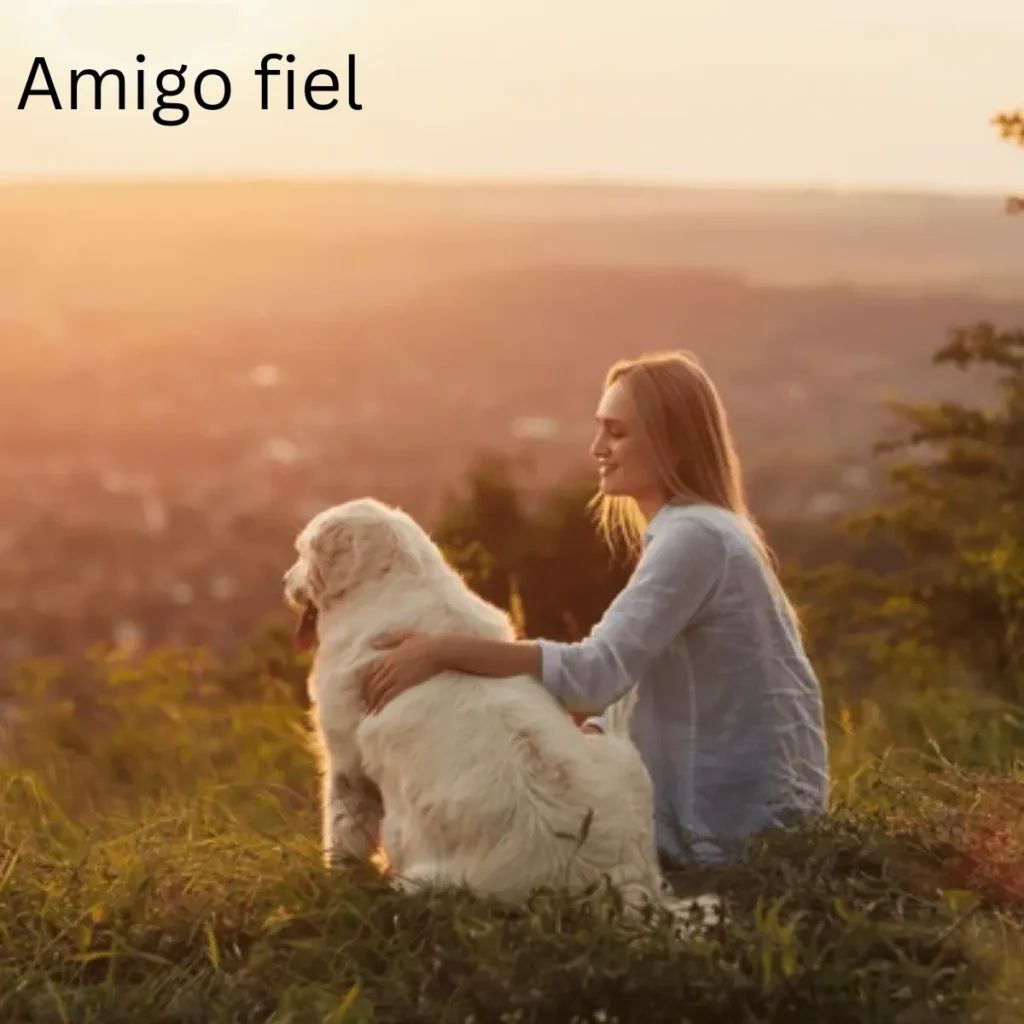
A poetic or sentimental phrase describing dogs.
Example:
👤 Usuario A: Para mí, un perro es un amigo fiel.
👤 Usuario B: Totalmente de acuerdo.
Use: Literary or emotional; used in writing or speeches.
14. Pulgoso – “Flea-ridden” (Joking)
Origin:
From pulga (flea), often used jokingly to refer to a scruffy or street dog.
Example:
👤 Usuario A: ¡Ese pulgoso entró a la casa otra vez!
👤 Usuario B: Le tengo cariño, aunque esté sucio.
Use: Informal, humorous, sometimes affectionate.
15. Zaguate – Mixed Breed Dog
Origin:
Used in Costa Rica and parts of Central America to refer to mutts or mixed-breed dogs.
Example:
👤 Usuario A: ¿Qué raza es tu perro?
👤 Usuario B: Es zaguate, pero muy listo.
Use: Regional; common in Costa Rica.
FAQs
1. What is the word for “dog” in Spanish?
The word for dog in Spanish is “perro”.
2. How do you pronounce “perro”?
It is pronounced PEH-rro, with a rolled rr sound.
3. How do you say “female dog” in Spanish?
You say “perra” for a female dog.
4. What if I can’t roll my “R” sound?
You can say it softer like “pero”, but natives will understand even if the rr is not perfect.
5. How do you say “puppy” in Spanish?
“Puppy” is “cachorro” (kah-CHO-roh).
6. Is “perrito” a cute or small dog?
Yes, “perrito” is a diminutive meaning “little/cute dog”.
7. How do you say “My dog” in Spanish?
You say “mi perro”.
8. How do you say “I love my dog” in Spanish?
You say “Amo a mi perro”.
9. Are there slang terms for dog in Spanish?
Yes, some slang terms include “lomito” (cute internet slang for dog).
10. Can I use “perro” for all dog breeds?
Yes, “perro” works for any breed, size, or type of dog — it’s universal.
Conclusion:
Now that you know how to say dog in Spanish, you can confidently use the word in everyday conversations, If you’re talking about pets, animals, or sharing stories with Spanish speakers. It’s a simple yet essential part of building your vocabulary.
Keep practicing how to say dog in Spanish so it becomes natural in your speech. The more you use it, the easier it will be to remember and apply in real-life situations—whether you’re traveling, studying, or just chatting about your favorite furry friends.