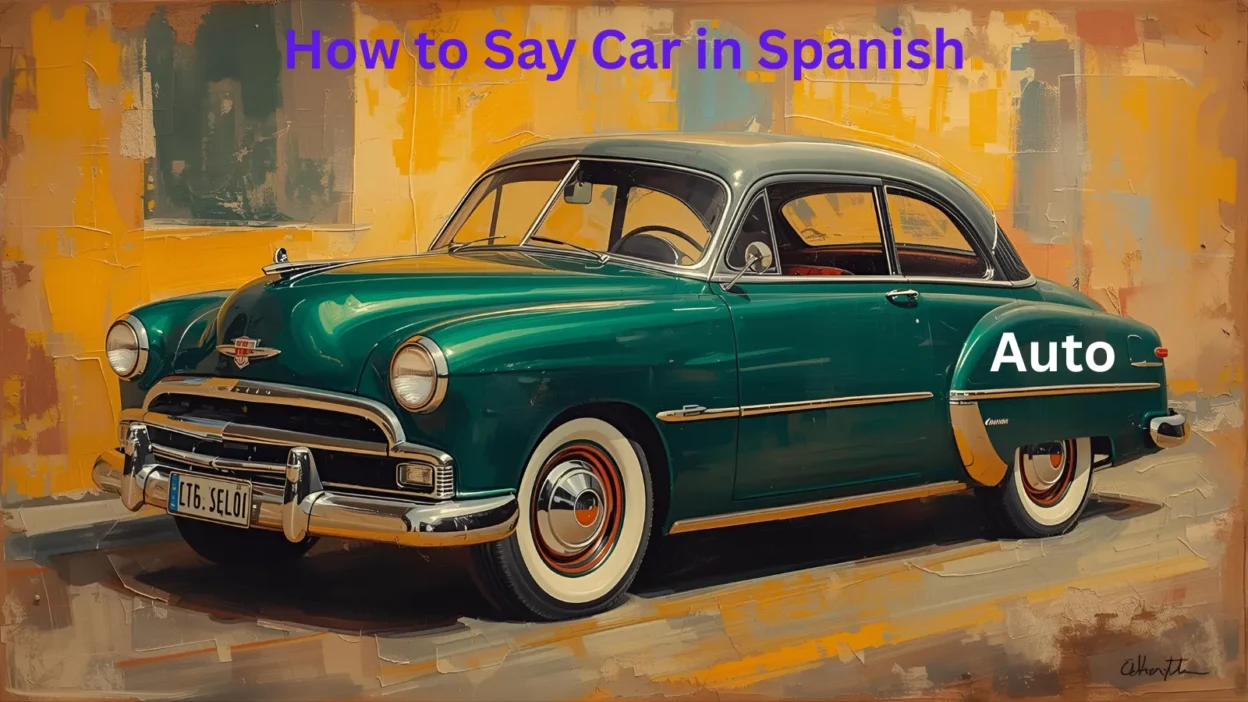
Car in Spanish is most commonly said as “Coche.” This word is widely used in Spain and means a regular car used for daily travel. In many Latin American countries, people also say “Auto” or “Carro,” which all mean car.
Most users search how to say car in Spanish when learning basic Spanish vocabulary, traveling, or doing quick translations. The user intent is simple and clear: they want the correct word, easy meaning, and to know which term is most common.
In this guide, you’ll quickly learn the main Spanish words for car, when to use each one, and how they differ by region. The explanation uses simple words, follows featured snippet style, and is easy to understand for beginners.
Say Car in Spanish
15 Ways to Say Car in Spanish
| No. | Spanish Word/Phrase | Pronunciation | Meaning / Usage |
|---|---|---|---|
| 1 | Coche | KOH-cheh | Car (common in Spain) |
| 2 | Carro | KAR-roh | Car (common in Latin America) |
| 3 | Auto | OW-toh | Car (common in Argentina/Chile) |
| 4 | Automóvil | ow-toh-MOH-veel | Automobile (formal) |
| 5 | Vehículo | bay-EE-koo-loh | Vehicle (general term) |
| 6 | Coche pequeño | KOH-cheh peh-KEH-nyo | Small car |
| 7 | Carro grande | KAR-roh GRAHN-deh | Big car |
| 8 | Auto nuevo | OW-toh NWEH-voh | New car |
| 9 | Carro viejo | KAR-roh VYEH-ho | Old car |
| 10 | Mi coche | mee KOH-cheh | My car |
| 11 | Tu carro | too KAR-roh | Your car |
| 12 | Alquilar un coche | al-kee-LAHR oon KOH-cheh | To rent a car |
| 13 | Subir al auto | soo-BEER al OW-toh | To get in the car |
| 14 | Bajar del coche | bah-HAR del KOH-cheh | To get out of the car |
| 15 | Viajar en carro | vyah-HAR en KAR-roh | To travel by car |
Let’s explore 15 different ways to say car in Spanish, complete with real-world dialogues and cultural or regional backgrounds.
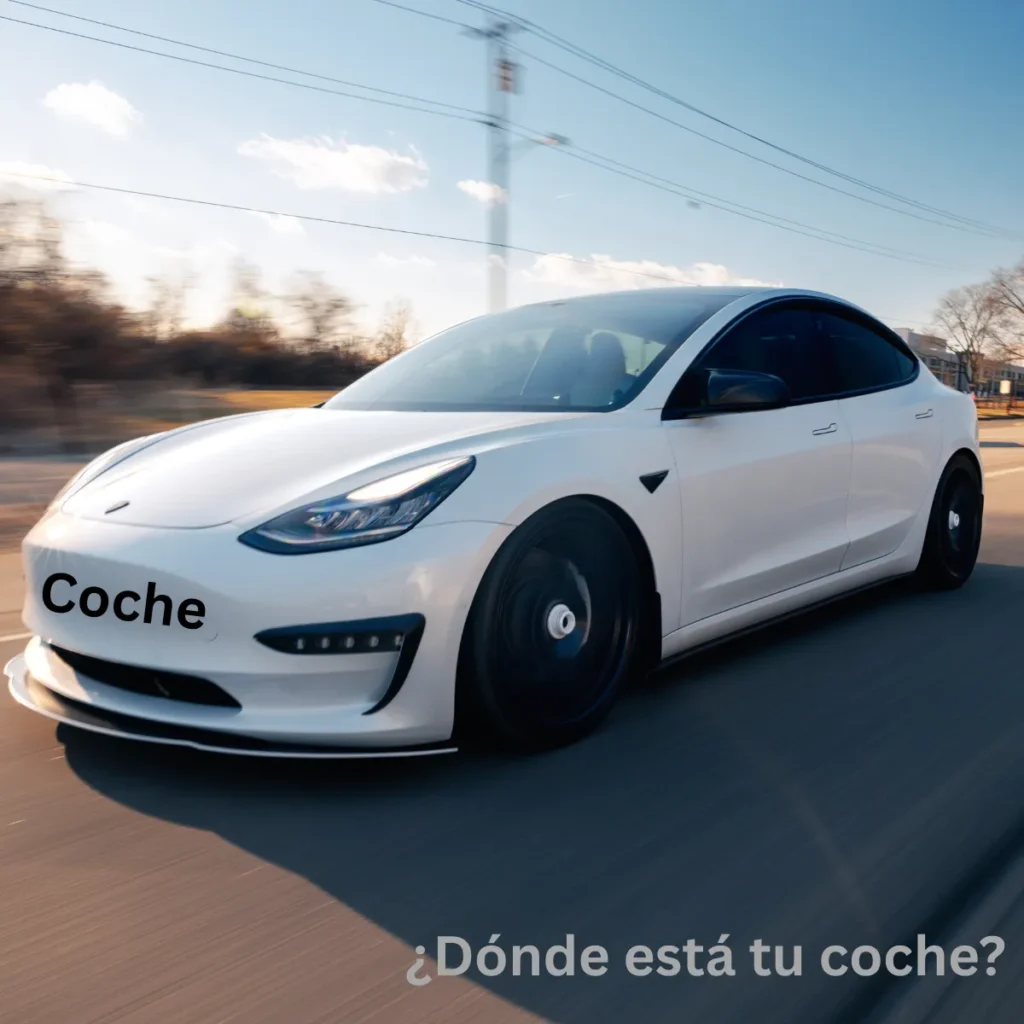
1. Coche
Origin:
From the Hungarian word kocsi (meaning “wagon from Kocs”), this is the standard word for “car” in Spain.
Example:
👤 Usuario A: ¿Dónde está tu coche?
👤 Usuario B: Está en el garaje.
Use: Common in Spain; neutral and formal.
2. Carro
Origin:
Originally meaning “cart” or “wagon,” carro became the go-to word for “car” in many Latin American countries like Colombia, Venezuela, and Mexico.
Example:
👤 Usuario A: ¿Compraste un carro nuevo?
👤 Usuario B: ¡Sí! Es un Toyota Corolla.
Use: Widely used in Latin America; informal to neutral.
3. Auto

Origin:
Shortened from automóvil, this version is common in countries like Argentina, Chile, and Peru.
Example:
👤 Usuario A: ¿Te gusta mi nuevo auto?
👤 Usuario B: ¡Está increíble!
Use: Neutral; more popular in the Southern Cone.
4. Automóvil
Origin:
A formal and technical term derived from Greek and Latin roots, used in legal or official language.
Example:
👤 Usuario A: El automóvil fue registrado ayer.
👤 Usuario B: Perfecto, ahora puedes conducirlo legalmente.
Use: Formal; seen in documents and law.
5. Vehículo
Origin:
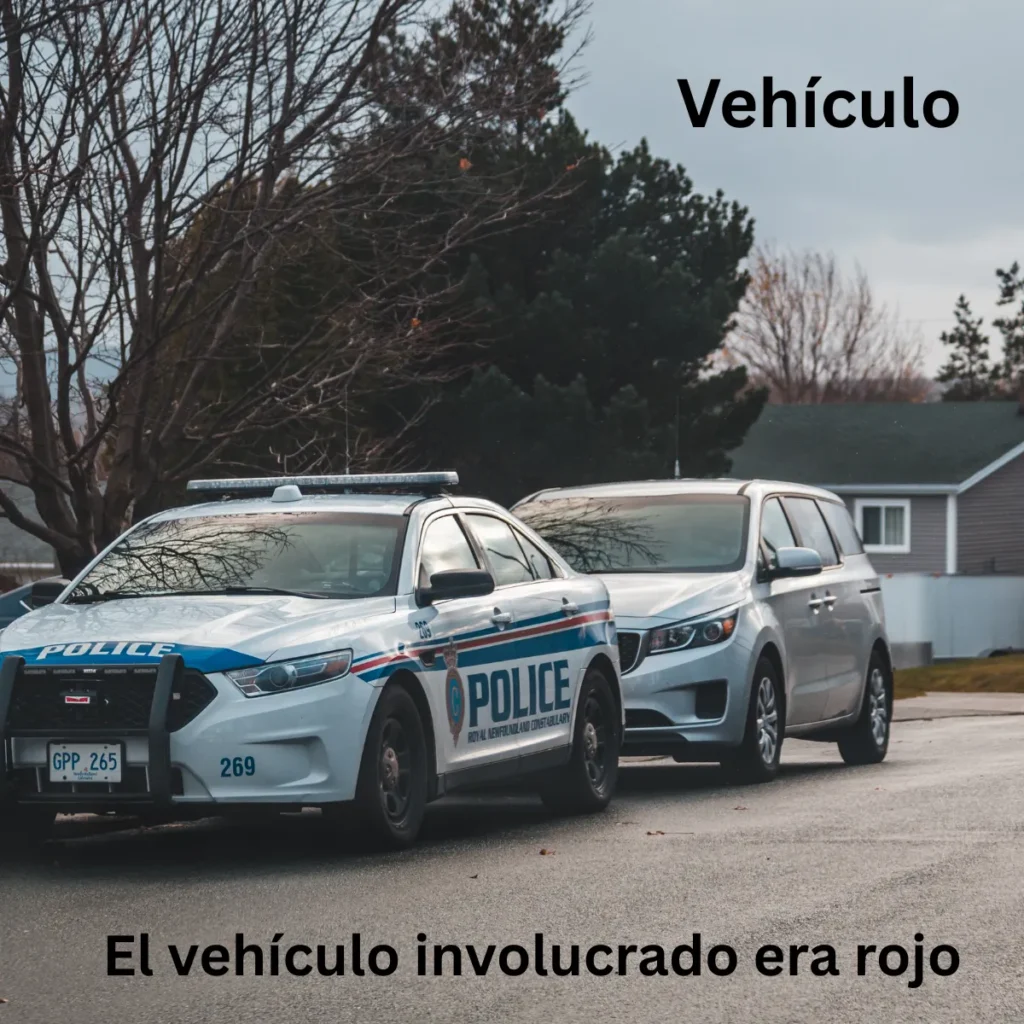
Means “vehicle” in general, but often used as a synonym for car in official or police contexts.
Example:
👤 Usuario A: El vehículo involucrado era rojo.
👤 Usuario B: ¿Marca y modelo?
Use: Formal, legal, and law enforcement terminology.
6. Máquina
Origin:
Literally means “machine”; used in Cuba and some Caribbean islands as a slang term for a car.
Example:
👤 Usuario A: ¿Alquilaste una máquina?
👤 Usuario B: Sí, un taxi de los años 50.
Use: Informal; culturally unique to Cuba.
7. Nave
Origin:
Literally translates to “ship,” but in urban slang, it means a cool or fancy car.
Example:
👤 Usuario A: Esa nave está brutal.
👤 Usuario B: Es un Mustang 2023.
Use: Slang; modern and stylish vibe.
8. Buga
Origin:
A Spanish slang term for car, especially in street talk or youth slang.
Example:
👤 Usuario A: ¿Vas a venir en tu buga?
👤 Usuario B: Claro, lo lavé ayer.
Use: Informal; Spain, especially among youth.
9. Troca
Origin:
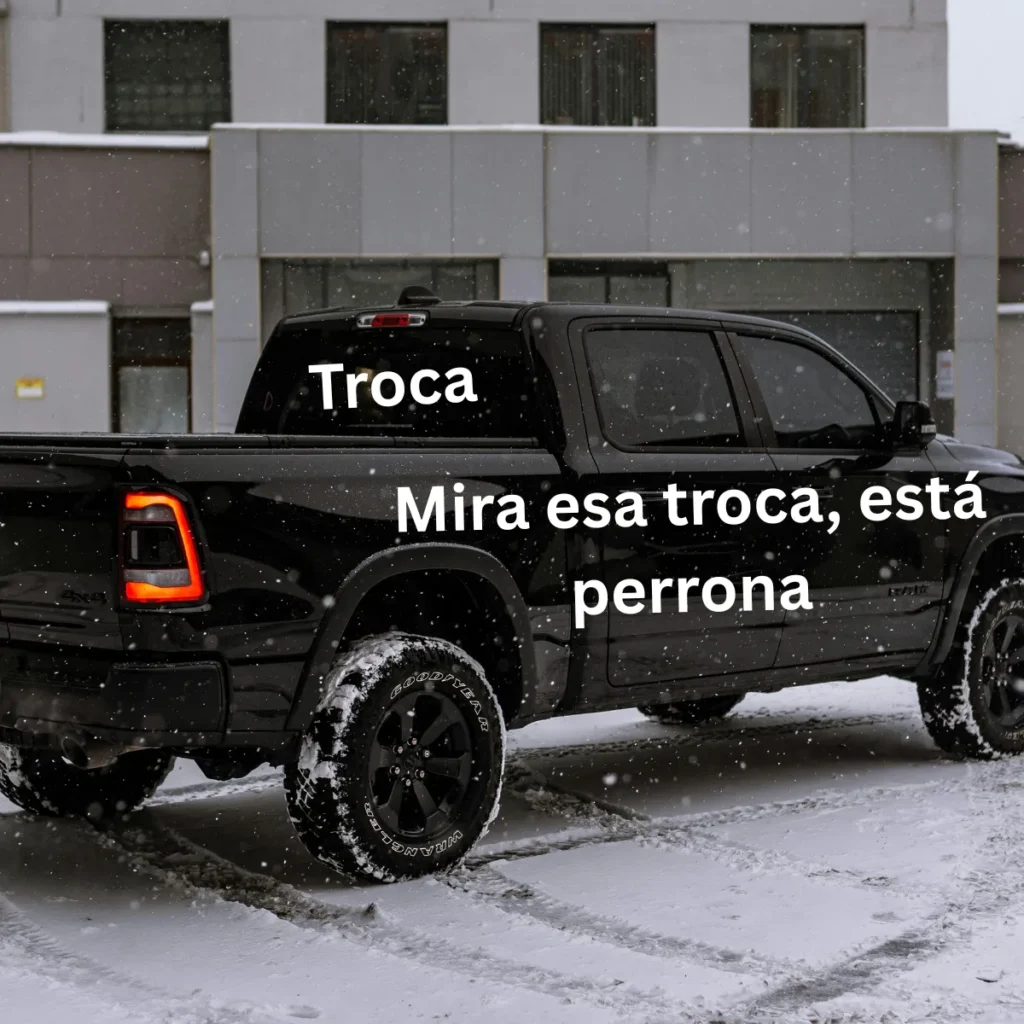
Adapted from the English word “truck,” but often used by Mexican-American communities to refer to cars, especially pickups.
Example:
👤 Usuario A: Mira esa troca, está perrona.
👤 Usuario B: Es de mi primo. La cuida como oro.
Use: Spanglish; common in the U.S.-Mexico border region.
10. Furgoneta
Origin:
Means “van” or “minivan” in Spanish. While not a direct synonym for “car,” it’s useful when referring to larger passenger vehicles.
Example:
👤 Usuario A: ¿Vamos en la furgoneta?
👤 Usuario B: Sí, cabemos todos ahí.
Use: Specific to vans or family-size cars.
11. Camioneta
Origin:
From camión (truck); this term refers to SUVs or pickup trucks in Latin America.
Example:
👤 Usuario A: Mi papá tiene una camioneta enorme.
👤 Usuario B: ¡Qué suerte! Ideal para viajar.
Use: Latin America; refers to large vehicles.
12. Andadera (slang)
Origin:
Used jokingly among Spanish speakers to refer to an old or beat-up car. Literally means “walker.”
Example:
👤 Usuario A: ¿Ese es tu carro?
👤 Usuario B: Sí, mi andadera fiel.
Use: Humorously informal; often self-deprecating.
13. Pistero

Origin:
Slang used in parts of South America for a fast or sporty car. Related to pista (racetrack).
Example:
👤 Usuario A: ¿Ese pistero es tuyo?
👤 Usuario B: Sí, corre como el viento.
Use: Very informal, regional.
14. Zancudo (slang)
Origin:
Used in El Salvador and neighboring countries, zancudo (meaning “mosquito”) refers to small, buzzing cars.
Example:
👤 Usuario A: Ese zancudo hace un ruido raro.
👤 Usuario B: ¡Es que es del año 92!
Use: Humorous, regional.
15. Cacharrito / Carrito
Origin:
Diminutives of coche or carro, often used affectionately or when referring to small or toy cars.
Example:
👤 Usuario A: ¿Ese carrito es tuyo?
👤 Usuario B: Sí, es viejo pero confiable.
Use: Informal; cute, nostalgic, or affectionate.
Conclusion:
Learning How to say Car in Spanish will help you adapt to different regions and sound more natural when speaking. Whether you use coche in Spain, carro in Latin America, or auto in Argentina, you’ll be understood everywhere. By practicing these variations and related phrases, you’ll be ready to handle travel, conversations, or everyday situations with confidence.


